A tooth gem should add sparkle, not stress. If you're worried about Tooth Gem enamel damage, the good news is that the gem itself is usually not the problem. What matters most is how it's applied, what products are used, how long it stays on, and how carefully it's removed.
That distinction is where a lot of confusion starts. People often blame the gem, when the real risk comes from rough prep, harsh removal, poor-quality materials, or placing jewelry on a tooth that already has issues. If you love the look of a sparkling smile but want to protect your enamel, it helps to know what can actually go wrong and what keeps the process much safer.
Does a Tooth Gem damage enamel?
Sometimes, but not automatically. A properly applied Tooth Gem does not usually drill into the tooth or cut through enamel. In most cases, it sits on the surface using dental-style adhesive. That means the enamel is not being pierced or permanently altered in the way many people imagine.
Still, "non-invasive" does not mean "zero risk." Enamel can be affected if the surface is over-etched, if the wrong bonding materials are used, or if someone tries to pry the gem off at home. Even if the enamel itself stays intact, leftover adhesive can make the tooth feel rough or look dull until it is cleaned up properly.
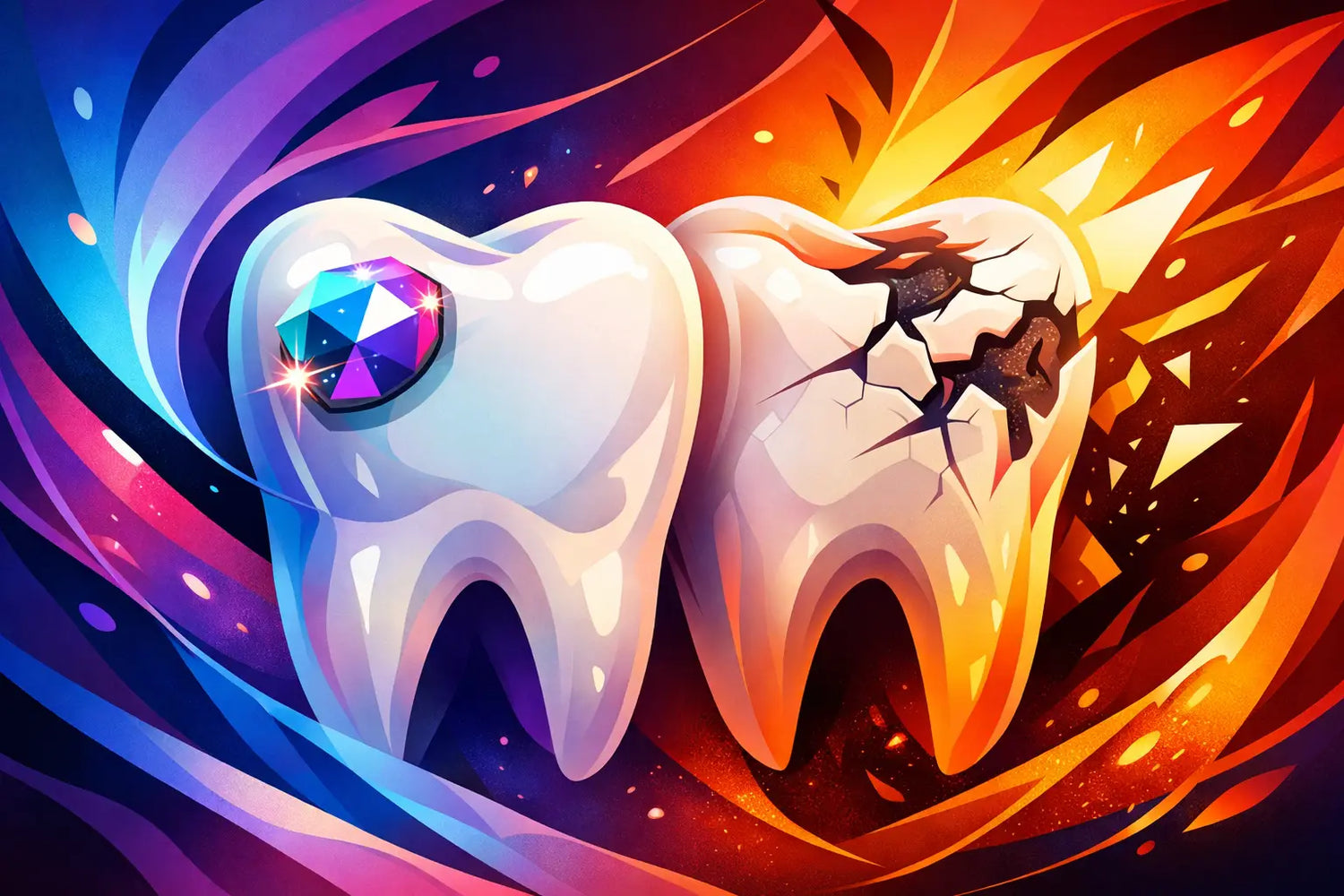
So the honest answer is this: Tooth Gem enamel damage is possible, but it is usually tied to technique, not the concept of Tooth Gems themselves.
What actually causes Tooth Gem enamel damage
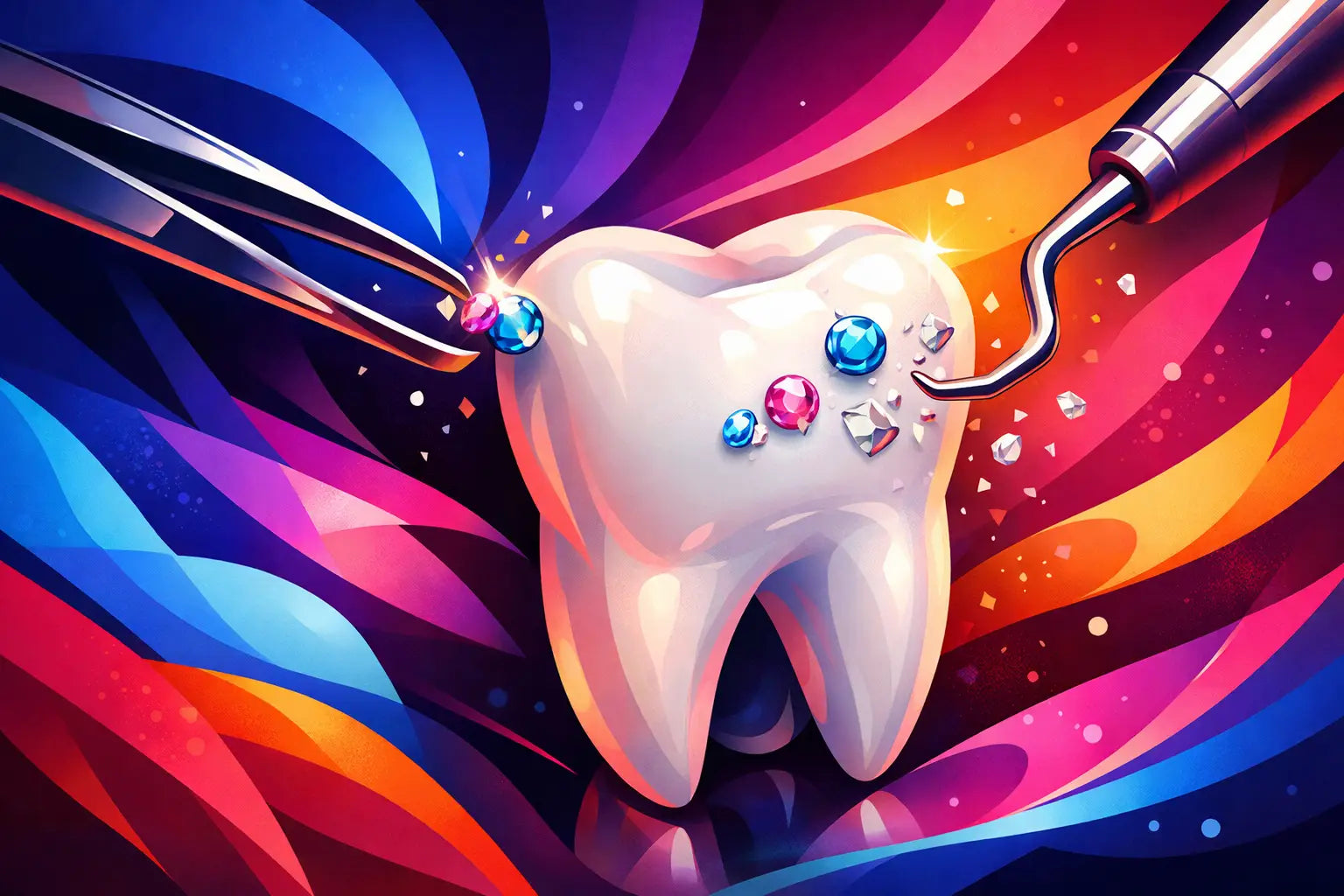
The biggest factor is the application process. Tooth Gems are typically attached with an etching and bonding system that helps the adhesive grip the enamel. When done correctly, that prep is controlled and limited. When done carelessly, it can be too aggressive.
Etching deserves special attention here. It lightly prepares the enamel surface so the bond can hold, but more is not better. Leaving etch on too long, applying too much, or using products not meant for cosmetic dental use can increase the chance of surface changes.
Removal is another major issue. A lot of damage stories start at the end, not the beginning. If someone pulls, twists, scrapes, or clips a gem off, they can chip the adhesive layer unevenly and potentially disturb the enamel surface underneath. The same goes for trying to sand away leftover glue with random tools.
Oral habits also matter. If you grind your teeth, bite your nails, chew ice, or use your front teeth to open packages, the gem can catch or loosen. That movement can create stress around the bonded area and make cleanup harder later.
Finally, not every tooth is a great candidate. Thin enamel, active decay, cracks, untreated sensitivity, and existing dental work can all change the equation.
Tooth Gem enamel damage risks at home vs. professional application
This is where nuance matters. A professional application can reduce risk because the person has training, better visibility, and clinical tools. But at-home application is not automatically unsafe either. The outcome depends on the quality of the kit, the clarity of the instructions, and how carefully the steps are followed.
A well-designed DIY kit can support a cleaner, more controlled experience than a rushed salon service using inconsistent materials. On the flip side, even the best kit cannot make up for skipping steps, guessing on cure time, or using too much product because you want the gem to "really stay."
For first-timers, the safest approach is a simple one. Start with a small gem, place it on a healthy tooth, follow the instructions exactly, and do not improvise with random beauty glue or craft adhesive. That part really matters. Products not made for this type of cosmetic tooth application can create bigger problems than the gem itself.
Signs your enamel may be stressed
Not every change means damage, but there are a few signs you should take seriously. If the tooth feels suddenly more sensitive to cold, looks chalky or uneven, or feels rough after the gem comes off, the enamel surface may need attention. Discoloration around leftover adhesive can also make the area look unhealthy even when the enamel underneath is still okay.
Pain is a different category. A Tooth Gem should not cause sharp pain, throbbing, or swelling. If that happens, there may be another issue going on, such as decay, a crack, gum irritation, or an improper placement.
If you notice the gem lifting, resist the urge to pick at it. A half-loose gem is one of the fastest ways to turn a cosmetic detail into a chipped surface or sticky residue problem.
How to lower the risk of Tooth Gem enamel damage
The good news is that risk is manageable. Safe-looking results usually come from being selective, not dramatic.
Start with the right tooth. A smooth, healthy front tooth is generally a better choice than a damaged, sensitive, or heavily restored one. Clean teeth matter too, but the surface should be cleaned gently and correctly, not scrubbed aggressively.
Use products made for Tooth Gem application. That means an etch and bond system designed for this purpose, plus the right curing method if required. Mixing product categories may seem cheaper or easier, but it often creates the exact inconsistency that leads to poor wear or messy removal.
Technique matters more than force. You do not need excess adhesive, extended etch time, or repeated adjustments after placement. In fact, overworking the area often causes more trouble than a simple, clean application.
Aftercare is where your daily habits step in. Brush gently with a soft-bristle toothbrush, avoid biting directly into very hard foods with the gem tooth, and keep the area clean so plaque does not build up around the edges. A radiant look lasts better when the tooth itself stays healthy.
The biggest myths about Tooth Gems and enamel
One common myth is that every Tooth Gem permanently ruins enamel. That is too broad to be true. Cosmetic bonding on enamel can be temporary when done properly, and many people wear Tooth Gems without lasting damage.
Another myth is that if a gem falls off on its own, the tooth must be damaged. Not necessarily. Sometimes the bond simply weakens over time, especially with eating habits, brushing patterns, or natural wear. The real question is what the tooth looks and feels like afterward.
There is also a belief that stronger glue is always better. It sounds logical, but stronger is not the goal. Controlled adhesion is the goal. A bond should hold the gem in place without turning removal into a fight.
And finally, some people assume DIY means low quality by definition. That is outdated thinking. A beginner-friendly system with clear education, proper tools, and good support can make at-home beauty feel both stylish and manageable.
When a Tooth Gem is probably not a good idea
If you already have enamel erosion, untreated cavities, gum inflammation, or a chipped front tooth, adding jewelry should wait. A gem is a beauty detail, not a cover-up. It can draw more attention to an unhealthy tooth and make care more complicated.
The same goes if you have braces, a retainer that presses against the area, or a habit of grinding your teeth at night. In those cases, the issue is less about instant enamel damage and more about repeated friction, pressure, and short wear time.
If your teeth are naturally very sensitive, be honest about that before applying anything. Mild temporary sensitivity can happen with enamel prep, but a tooth that is already reactive may not be the best candidate for cosmetic bonding.
If you want the look, here's the smart way to think about it
Think of a Tooth Gem like any other beauty service with a technical side. The style is fun, expressive, and very now. The safety comes from respecting the process.
That means choosing quality materials, following instructions closely, and treating removal as carefully as application. If you want an at-home option, pick a system built to guide beginners instead of piecing together products from different places. Brands like SelfGem have helped make that process more accessible, but the smartest customers still lead with patience and tooth health.
A sparkling smile should feel exciting, not risky. If your enamel is healthy and your application is careful, a Tooth Gem can be a stylish extra rather than a dental regret. Beauty always looks better when it's backed by good decisions.