That little sparkle on a front tooth can look incredibly chic, but the question behind the trend is fair: do Tooth Gems ruin teeth? The short answer is no, not when they’re applied correctly, placed on healthy enamel, and removed the right way. The bigger truth is that Tooth Gems themselves are usually not the problem. Poor application, bad materials, and rough removal are what can turn a cute beauty detail into a dental issue.
If you’ve been eyeing a crystal, heart, or tiny diamond-style gem for your smile, the smartest move is understanding where the real risks come from. Tooth Gems are a fashion statement, but they sit on one of the most delicate surfaces in your beauty routine - your enamel.
Do Tooth Gems ruin teeth or is that a myth?
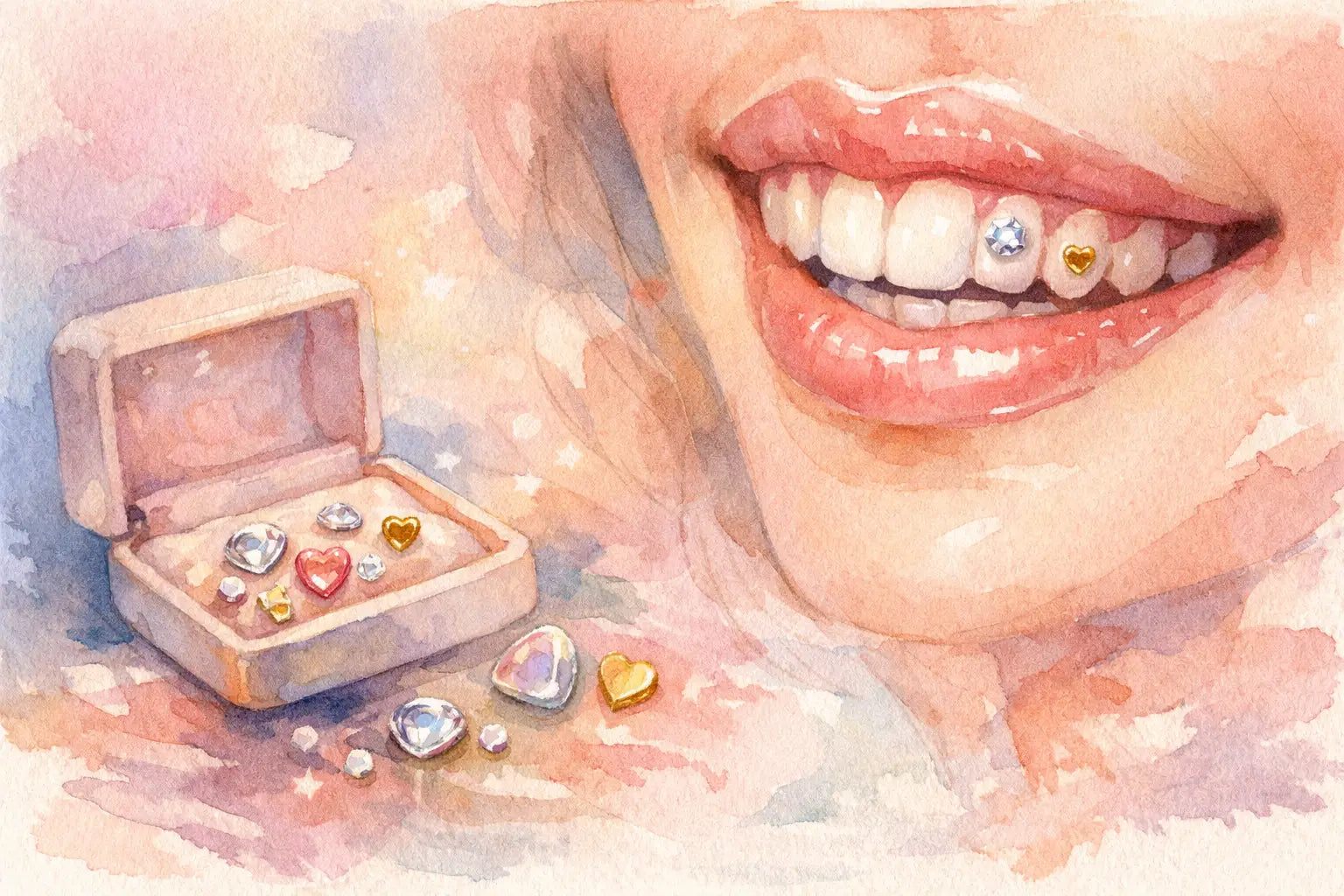
A lot of people hear “tooth jewelry” and assume damage is guaranteed. That’s not really how it works. A Tooth Gem is typically bonded to the surface of a tooth using dental-style adhesive. It sits on top of the enamel rather than piercing or drilling into the tooth. When the process is done properly, the tooth structure should stay intact.
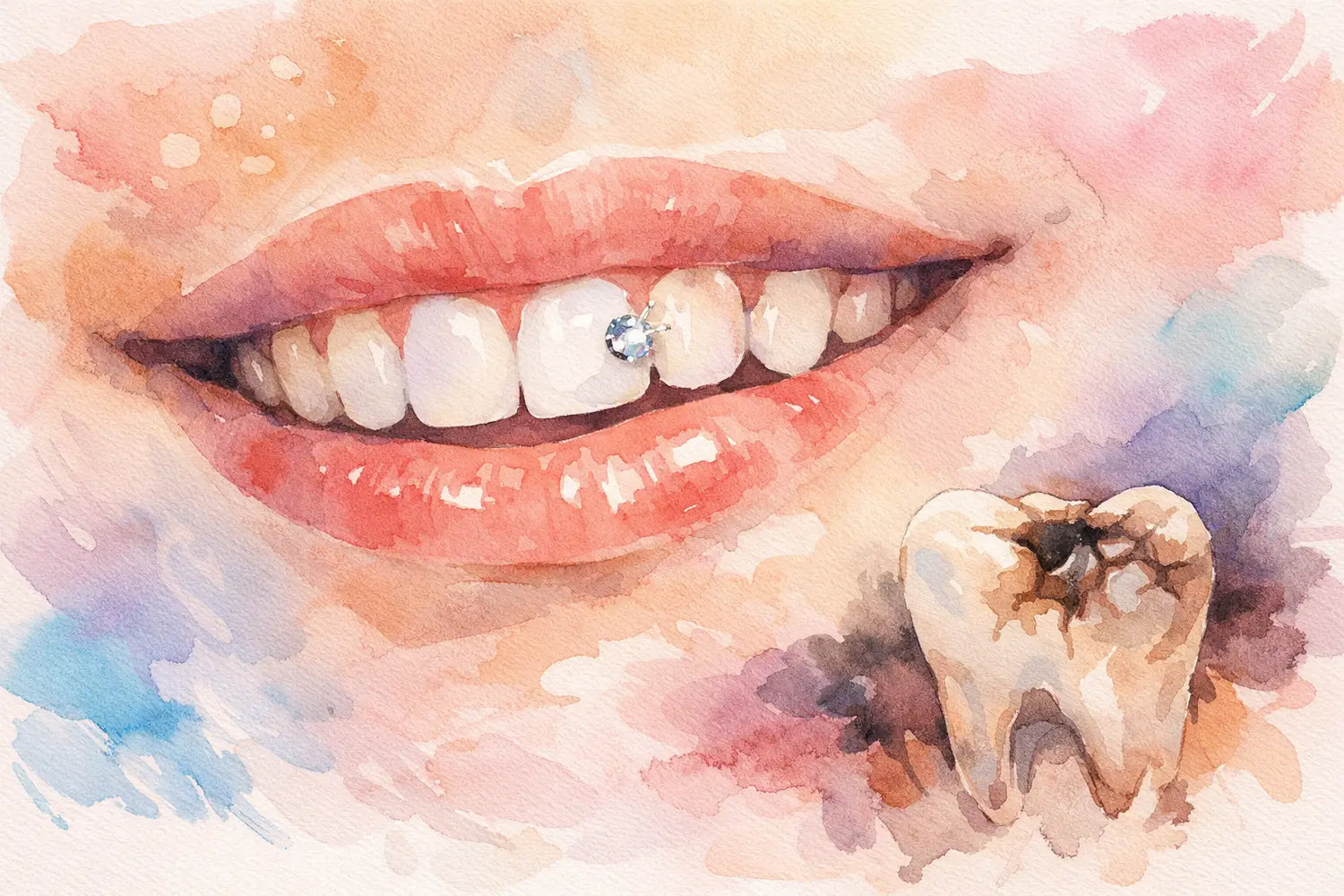
That said, “safe” does not mean “risk-free.” Enamel does not grow back, so anything that involves bonding, etching, or scraping deserves care. If someone uses the wrong glue, skips prep, places the gem over decay, or tries to pop it off with tweezers, that’s when trouble starts.
The better question is not just do Tooth Gems ruin teeth, but what conditions make them more or less safe. That’s where the real answer lives.
What actually causes damage
Most of the horror stories around Tooth Gems come from technique, not the gem itself. A properly applied gem should attach to the outer enamel without cracking it. But enamel can be harmed when shortcuts happen.
The first issue is using non-dental adhesive. Lash glue, nail glue, super glue, and random craft adhesives should never go anywhere near your teeth. They are not made for the mouth, they can irritate soft tissue, and they can make removal messy or damaging.
The second issue is aggressive surface prep. Some bonding systems include an etching step, but that has to be done carefully and as directed. Over-etching or using the wrong materials can weaken the surface unnecessarily.
The third issue is removal. This is where a lot of damage happens. Pulling, prying, or scraping off a gem at home can scratch enamel or chip the surface, especially if the adhesive bond is still strong.
There’s also the hygiene piece. A gem creates a tiny area where plaque can collect more easily if brushing is sloppy. The gem does not automatically cause cavities, but poor oral care around it absolutely can.
When Tooth Gems are usually safe
Tooth Gems are generally a better beauty choice when your teeth are already healthy. That means no untreated cavities, no weak enamel, no active gum irritation, and no major sensitivity in the tooth you want to decorate. Smooth, intact enamel is the best base.
Placement matters too. A gem usually works best on a flat front tooth where it can sit securely without constant friction. If it’s placed where it repeatedly hits another tooth or catches on habits like nail biting, the bond may fail sooner and the tooth can take more wear.
Material matters as well. Small, lightweight gems tend to be easier on the tooth than oversized or awkward shapes. The goal is sparkle, not bulk. A delicate look is often the safer look.
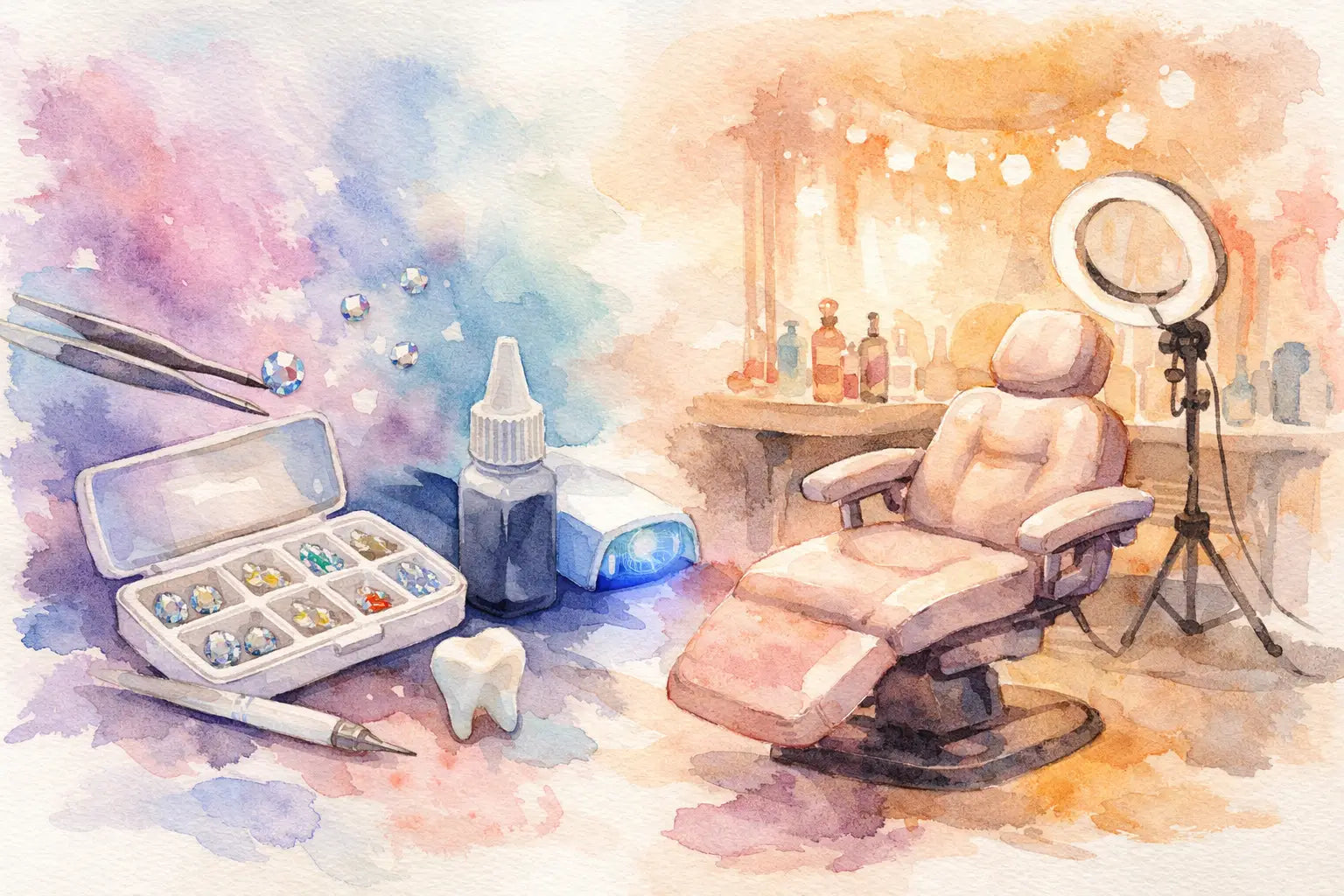
If you’re using a DIY kit, clear instructions and application-specific tools make a big difference. Beginner-friendly systems are designed to help you prep, place, and cure the gem more accurately, which lowers the chance of a messy bond.
Signs Tooth Gems may not be right for you
Even though the look is fun and low-commitment compared with other beauty changes, Tooth Gems are not ideal for everyone. If you have braces, active decay, enamel erosion, gum disease, or a habit of grinding your teeth, it’s worth being extra cautious.
The same goes if your teeth are already very sensitive. A bonding process may feel like too much if your enamel is compromised. If you’ve had a lot of dental work on the front teeth, including veneers, crowns, or bonding, the surface may not behave like natural enamel.
This is one of those beauty choices where honesty with yourself matters. If your smile needs care first, that comes before the sparkle.
How to lower the risk if you want the look
If you love the trend and want a radiant, luxury-style smile detail, the safest approach is a careful one. Start with a clean, healthy tooth and use products designed for Tooth Gem application, not household substitutes. Read every instruction before you begin instead of figuring it out while holding the gem.
Keep the area dry during application. Moisture control affects how well the adhesive bonds, and a weak bond is more likely to fail unevenly. Placement should be intentional, not rushed. Once the gem is on, resist touching it with your fingers or tongue while it sets.
Aftercare is just as important as application. Brush gently but thoroughly, especially around the gem. A soft-bristle toothbrush is your friend. You don’t need to scrub hard - in fact, that can be worse. Think consistent, careful cleaning.
It also helps to avoid using your teeth as tools. Biting open packaging, chewing on pen caps, crunching hard ice, or picking at the gem can all shorten its wear time and increase the chance of damage.
For shoppers who want the style without the salon appointment, brands like SelfGem focus on making the process feel more approachable with educational guidance and tools that support cleaner application. That convenience only works in your favor if you still treat the process with care.
What it feels like to wear a Tooth Gem
A lot of first-timers expect a gem to feel bulky or strange. Usually, if it’s placed well and kept small, it feels much less dramatic than people think. You may notice it with your tongue at first because it’s new, but most people adjust quickly.
What you should not feel is pain. If a Tooth Gem causes sharp discomfort, extreme sensitivity, or irritation that doesn’t settle, something is off. That could mean the tooth was not a good candidate, the placement is poor, or another dental issue was already there.
A gem should add sparkle to your smile, not stress.
Can Tooth Gems cause cavities?
Not directly. A gem does not create decay on its own. Cavities happen when plaque and bacteria stay on the tooth long enough to break down enamel. The reason people connect Tooth Gems with cavities is that the gem creates one more tiny area that needs attention during brushing.
If your oral hygiene is already solid, this is usually manageable. If you tend to rush brushing or skip flossing, a Tooth Gem can make those habits more likely to catch up with you. So the risk is behavioral more than automatic.
Sugary drinks, smoking, dry mouth, and poor brushing do far more damage than a properly placed gem. The gem just means your routine needs to stay sharp.
The biggest mistake people make
The biggest mistake is treating removal like peeling off a sticker. It isn’t. If you get tired of the look or the gem starts lifting, don’t pry it off. That can leave scratches, adhesive residue, or even a small chip if the bond is still attached tightly.
Removal should be gentle and controlled. If you’re unsure, that is the moment to get help instead of forcing it. A temporary beauty trend should stay temporary - not turn into a permanent enamel problem.
So, do Tooth Gems ruin teeth?
Usually, no. Tooth Gems do not inherently ruin teeth when they’re applied to healthy enamel with the right materials, cared for properly, and removed without force. But they can contribute to problems when people cut corners, ignore oral health, or use products that were never meant for the mouth.
If you want the sparkling smile, the good news is that you do not have to choose between style and common sense. A Tooth Gem can be a fun, confidence-boosting detail when you respect the process and pay attention to your teeth the same way you would any other beauty investment.
The best sparkle is the kind that still lets your natural smile stay strong underneath.