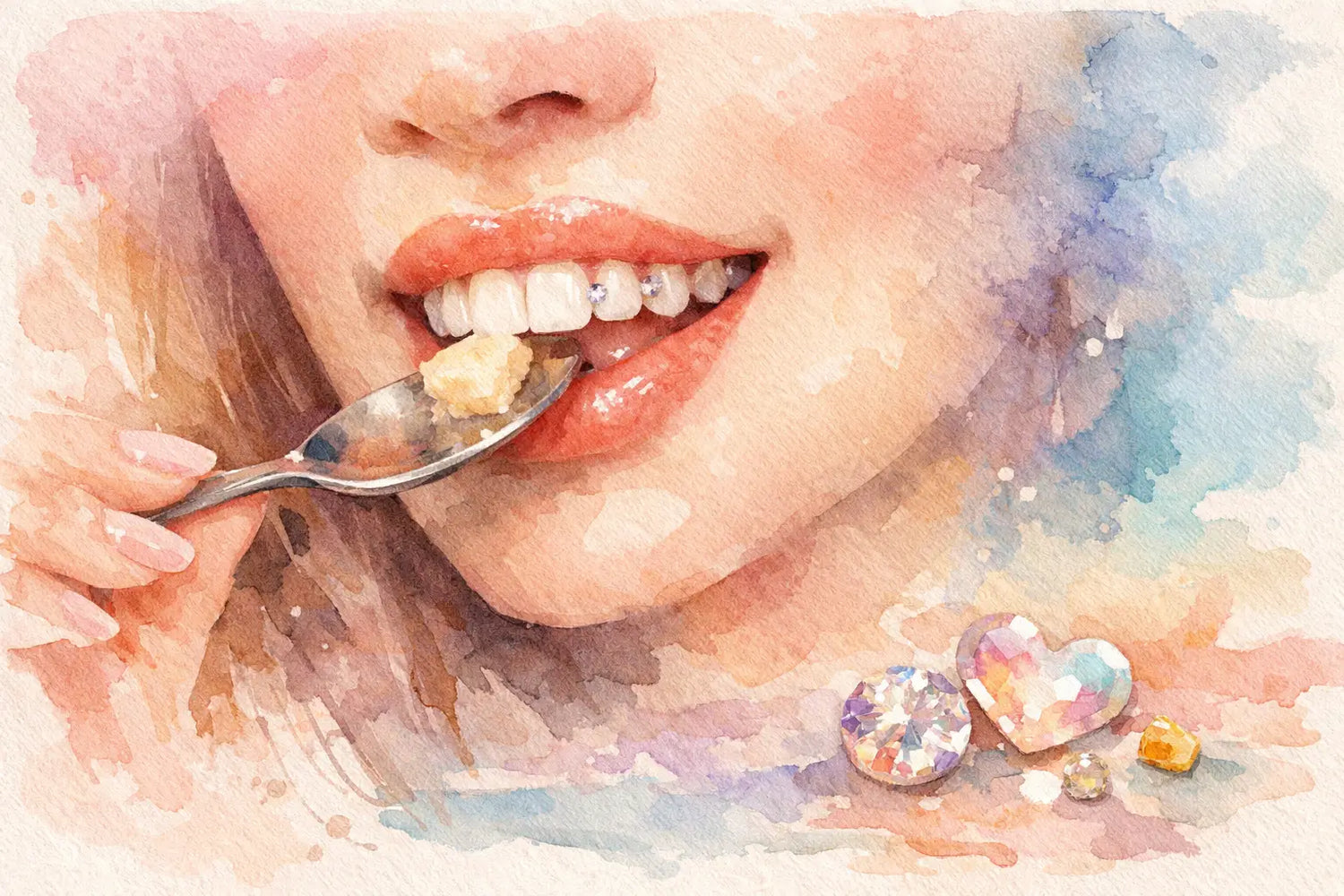
That first meal after getting a gem is when most people ask the same thing: can you eat with tooth gems without knocking them loose? The short answer is yes. Once your tooth gem is properly applied and set, you can eat normally. The bigger question is how you eat in the first day or two, and what habits help your sparkle stay secure for longer.
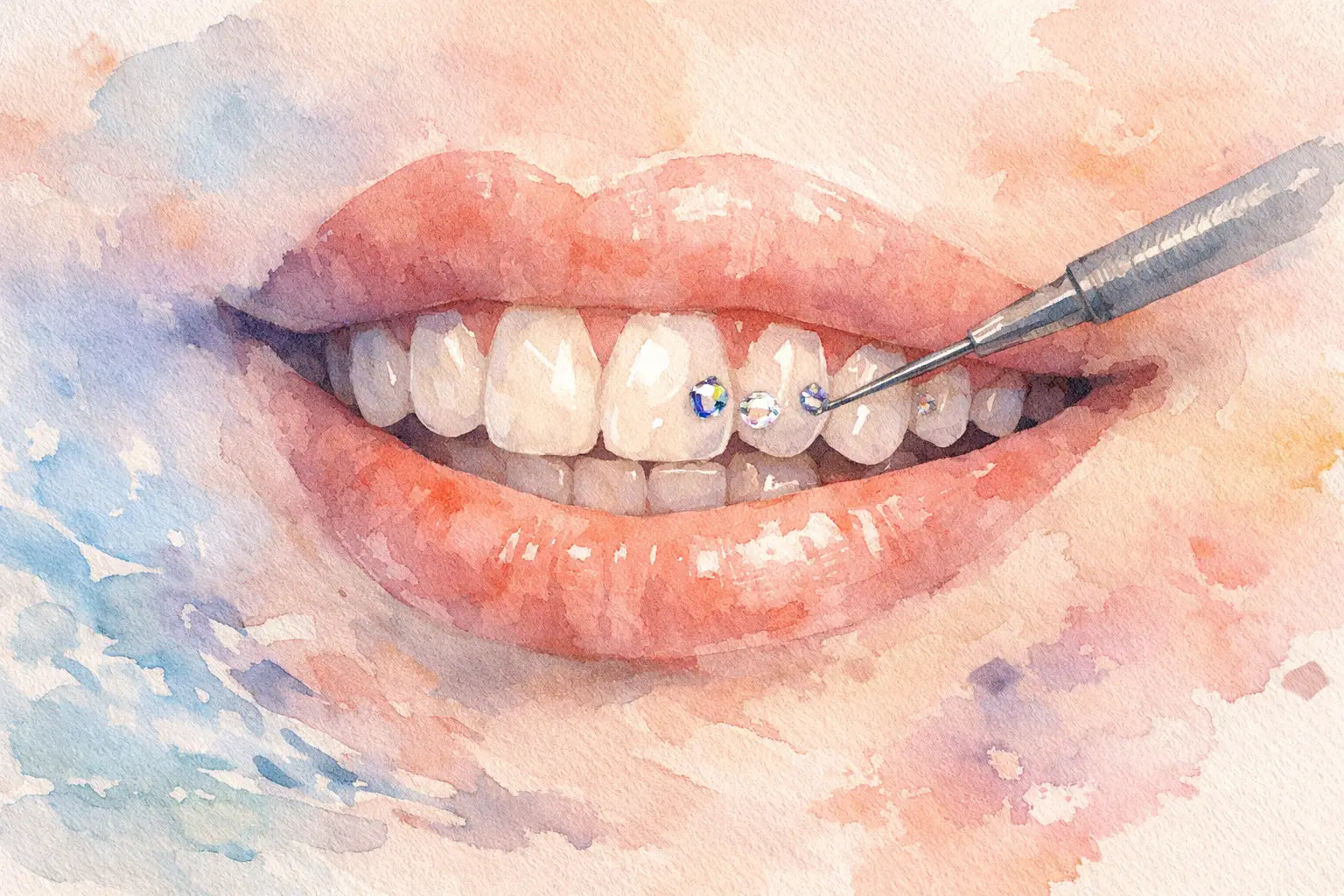
Tooth gems are made to sit on the surface of the tooth, not change how your mouth works. They are decorative, lightweight, and small, so they should not stop you from chewing, drinking, smiling, or talking. But there is a difference between being able to eat with tooth gems and eating carelessly right after application. That early window matters.
Can you eat with tooth gems right away?
Usually, it is smart to wait a little before your first full meal. If a tooth gem has just been applied, the adhesive needs time to fully settle. Even if the gem feels secure, biting into something hard right away is not the move.
A softer first meal is the safer choice. Think foods that do not require aggressive biting, crunching, or pulling. Yogurt, pasta, rice, eggs, smoothies, soup, and soft fruit are all easier on a freshly placed gem than something like crusty bread, jerky, or hard candy.
If your gem was applied correctly with the right prep and curing process, eating itself is not the problem. Pressure and impact are. Biting directly into very hard foods with the front teeth can put more stress on the gem than necessary, especially when it is brand new.
What eating with tooth gems should feel like
A properly placed tooth gem should feel a little different at first, but not painful. Most people notice the texture with their lips or tongue for the first couple of days because it is new. That does not mean something is wrong.
When you eat, you may be more aware of the gem than usual at first. That awareness tends to fade quickly. Your mouth adapts fast. What you should not feel is sharp pain, severe sensitivity, or a gem that shifts when you chew. If it feels loose, catches aggressively, or seems unstable, stop messing with it and have it checked.
There is also a mental adjustment. A lot of first-time wearers get nervous and baby their gem more than they need to. That is normal. You do not need to avoid food forever or chew on one side of your mouth for weeks. You just want to be a little careful at the beginning and avoid habits that would stress the gem unnecessarily.
The foods that matter most in the first 24 to 48 hours
The first two days are where smart choices make the biggest difference. You can eat with tooth gems, but softer and lower-impact foods give the bond the best chance to stay strong.
Foods that are usually easier during this window include mashed potatoes, noodles, soft sandwiches, oatmeal, pancakes, bananas, and tender cooked vegetables. Cold or room-temperature options can also feel better if your tooth is slightly sensitive after application.
The foods most likely to be annoying are the ones that are extra crunchy, sticky, or require a strong bite with the front teeth. Think popcorn kernels, nuts, sticky candy, chewing gum, ice, hard tacos, and thick bagels. Very chewy foods can tug at the area, while very hard foods can create direct pressure where you do not want it.
This is not forever. It is more of a short adjustment period than a long list of restrictions.
How to eat with tooth gems without stressing them
The easiest trick is simple: avoid biting hard foods directly with the tooth that has the gem, especially if the gem is on a front tooth. Instead of chomping straight into an apple or a slice of pizza crust, cut food into smaller pieces and chew with your back teeth.
That one habit makes a big difference. It reduces direct impact and helps preserve both the gem and the adhesive bond. It is also a good long-term move if you want your gem to last as long as possible.
It helps to slow down a little at first too. Not in a dramatic way, just enough to notice whether a food feels too crunchy or awkward. If it does, switch strategy. Cut it smaller, chew differently, or save it for another day.
Can you eat all your usual foods later on?
For most people, yes. Once the gem is fully set and you are past the initial adjustment period, daily eating should feel pretty normal. A secure tooth gem is designed to hold up to regular life.
That said, regular life is not the same as testing it. Even a well-applied gem can be stressed by habits like chewing ice, biting pen caps, tearing open packaging with your teeth, or crunching hard candy with your front teeth. Those habits are rough on natural teeth too, so your gem is not the only thing at risk.
If you love foods with a serious crunch, you probably do not need to give them up completely. Just be smart about how you eat them. Use your molars for chewing and avoid direct pressure on the gem whenever possible.
What about brushing after you eat?
Brushing matters just as much as eating. A tooth gem does not replace good oral care, and food can still collect around the edges if you are not cleaning well. You should keep brushing twice a day and flossing daily, but be gentle around the gem.
Use a soft-bristled toothbrush and avoid scrubbing aggressively over the area. You want to clean the tooth, not pry at the gem. A non-abrasive toothpaste is usually the better choice too, because harsh whitening formulas can be rougher on decorative dental jewelry over time.
After meals, rinsing with water can help if you cannot brush right away. This is especially useful after sugary drinks, coffee, or foods that leave residue behind.
Signs your tooth gem may not be handling food well
A little awareness is good. Constant checking with your tongue is not. Still, there are a few things worth paying attention to after you start eating normally.
If the gem feels like it is lifting, moving, or catching more than it did before, something may be off. The same goes for irritation around the tooth, unusual discomfort, or a rough edge that suddenly feels different. Sometimes a gem that seemed fine at first starts to loosen because it was exposed to too much pressure too soon.
If that happens, do not try to glue it down with random adhesive or push on it yourself. Tooth gems need the right materials and technique. That is especially true if you want a clean, polished result that still looks luxe up close.
Why application quality affects how well you can eat with tooth gems
When people ask can you eat with tooth gems, the hidden issue is often whether the gem was applied properly in the first place. A high-quality application makes everyday wear much easier. Poor prep, weak adhesive, or skipping steps can lead to a gem that feels insecure from the start.
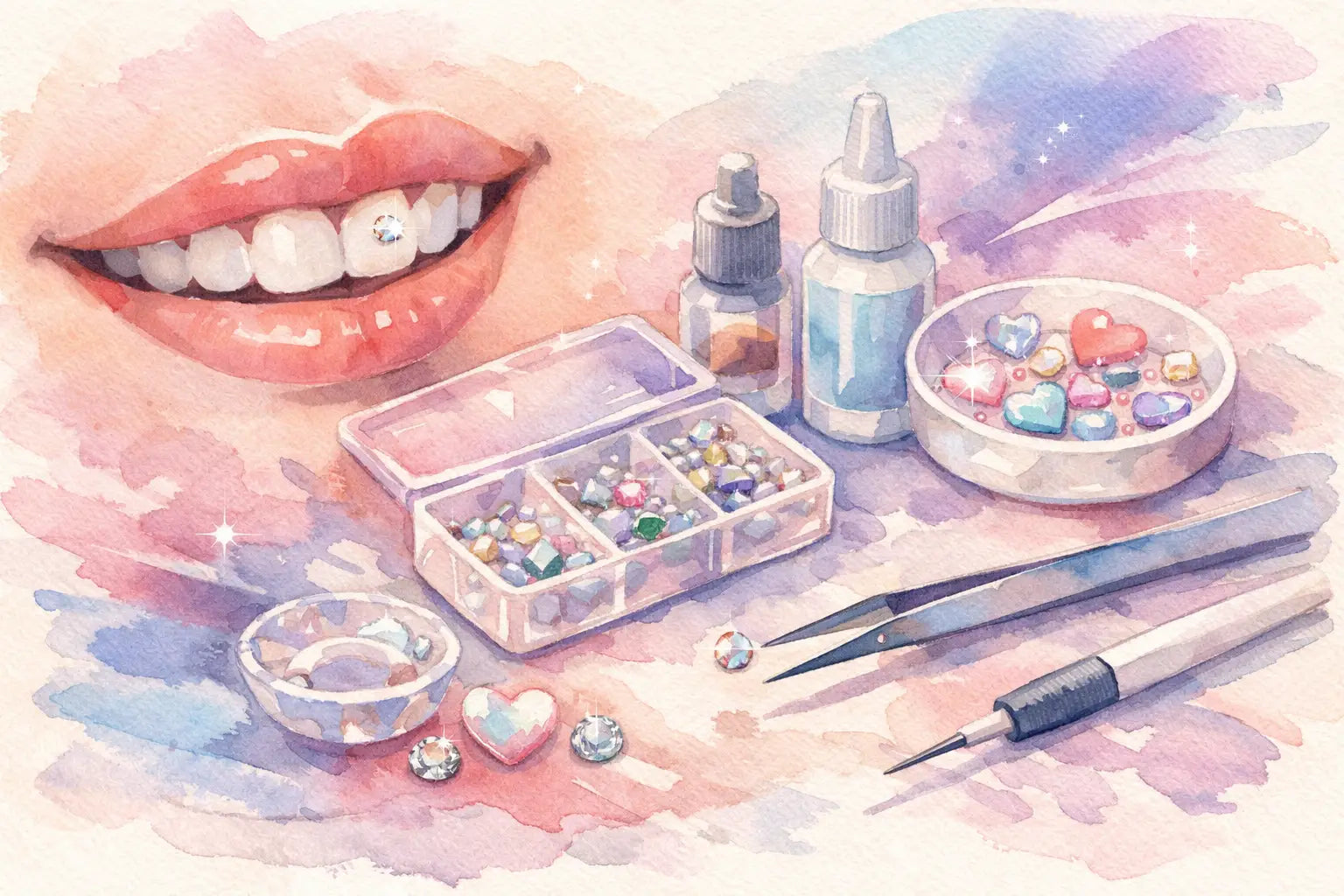
That is why beginner-friendly tools and clear instructions matter. If you are applying at home, using a complete DIY tooth gem kit is a very different experience from trying to improvise. A proper setup supports better placement, better bonding, and better confidence when it is time to eat, drink, and go about your day.
For first-timers, that reassurance matters. You want the sparkle, but you also want to feel like your smile can still keep up with coffee runs, lunch dates, late-night snacks, and everything else.
The bottom line on eating with tooth gems
Yes, you can eat with tooth gems, and most people go back to normal meals pretty quickly. The main rule is to be extra careful right after application and avoid putting direct pressure on the gem with hard or sticky foods.
Once you get past that early stage, eating with a tooth gem should feel easy. Treat it with a little common sense, keep your oral care solid, and do not use your front teeth like tools. A sparkling smile should feel fun, not high-maintenance.
If you are new to tooth gems, confidence comes from knowing what is normal and what is not. A secure application, good aftercare, and a little caution with crunchy foods go a long way - so you can keep the radiant look and still enjoy your next meal.
Ready to choose your next style? Explore the SelfGem tooth gem collection for different shapes, colors, and designs.
For a personalized look, use the SelfGem Mix & Match Tooth Gem Kit to combine your favorite tooth gems in one kit.