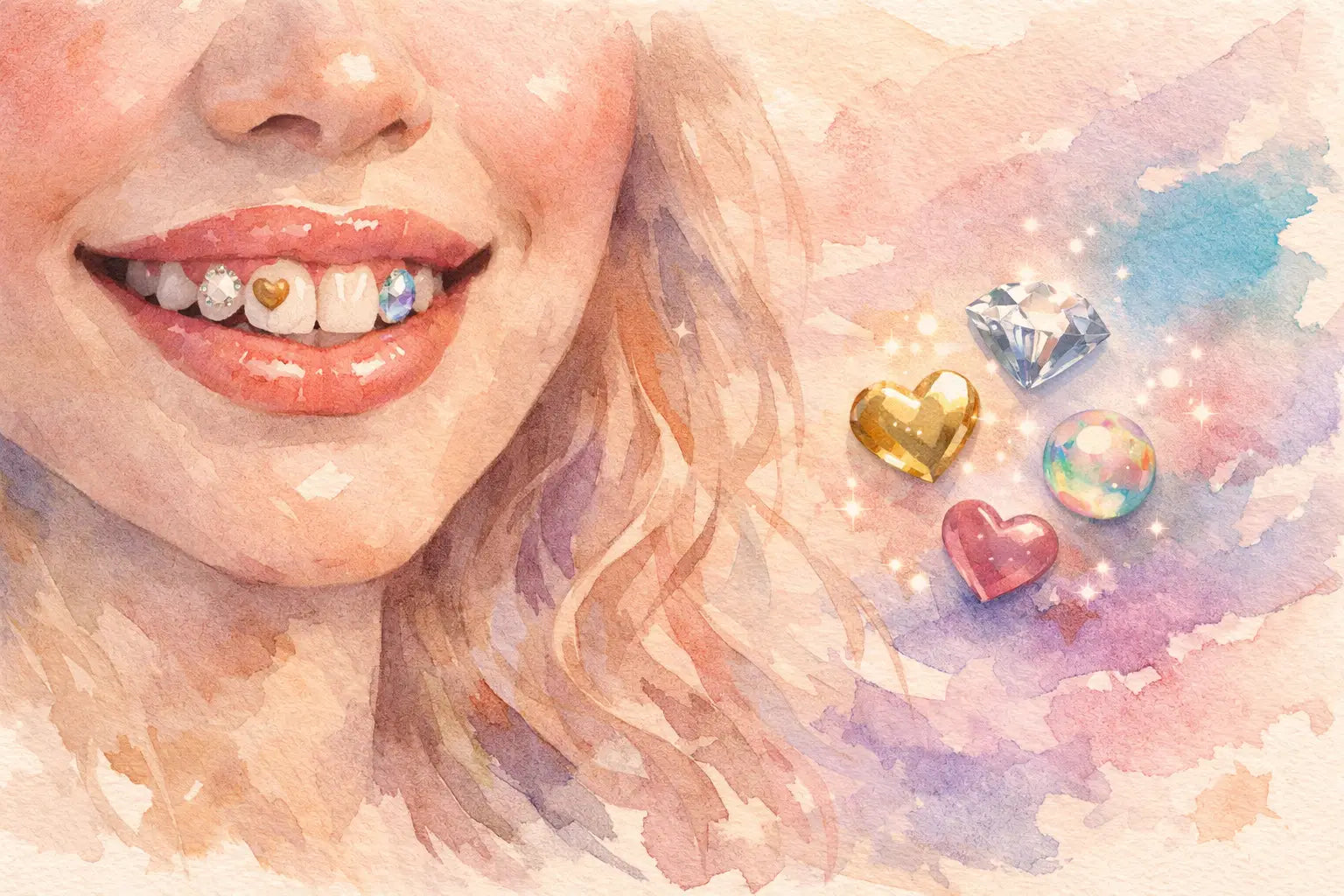
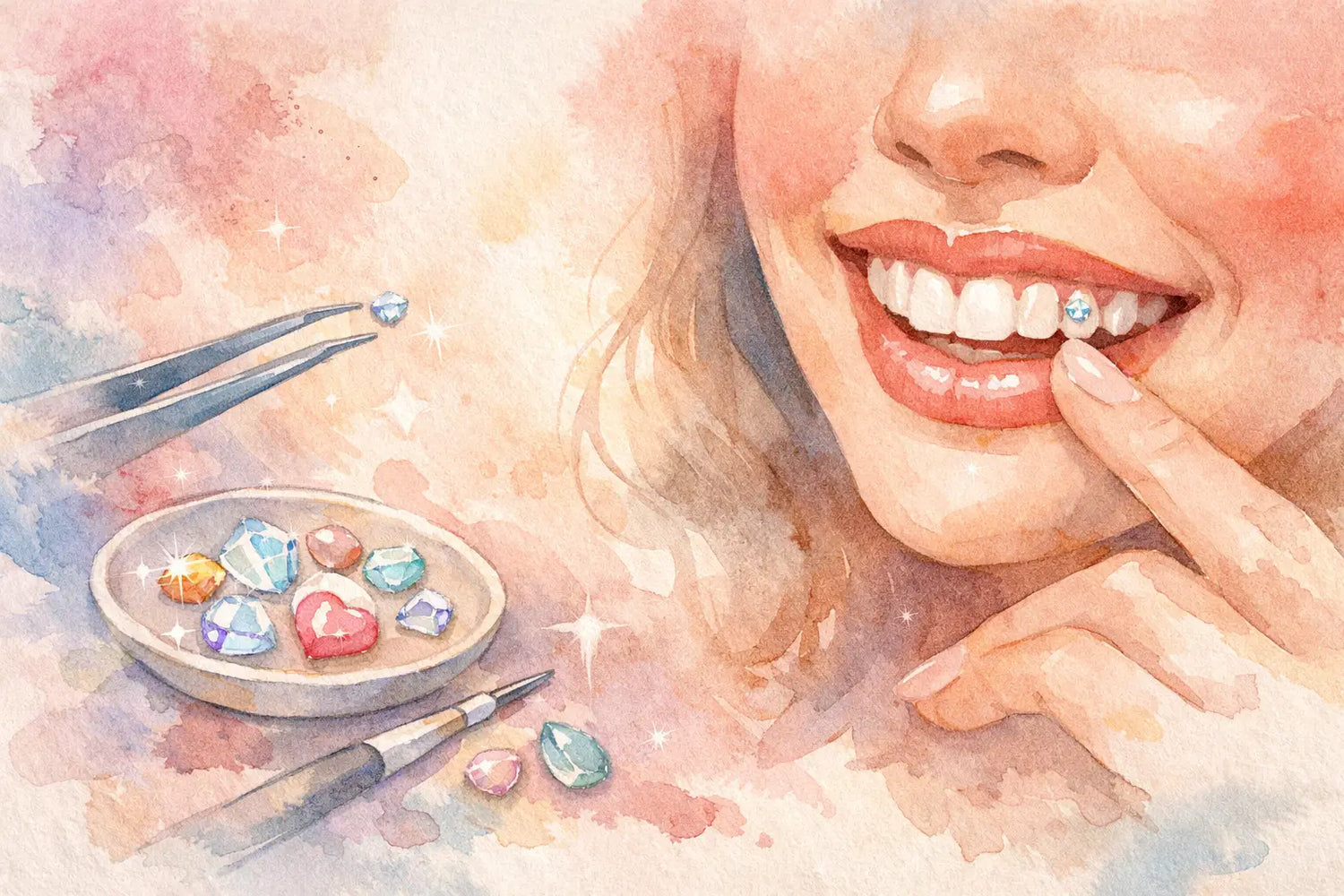
A tooth gem can look tiny, but the prep is what makes the final sparkle look clean, secure, and expensive. If you're wondering how to prep teeth for gems, the short answer is this: a dry, clean tooth surface gives you the best shot at a smooth application and longer wear.
That matters because tooth gems are not like pressing on a nail sticker or swiping on gloss. They sit on enamel, and enamel needs the right surface prep for the gem to bond properly. Skip that part, rush it, or work on a wet tooth, and even the cutest crystal can shift, lift, or fall off way too soon.
Why prep matters more than the gem itself
Most first-time mistakes happen before the gem ever touches the tooth. People focus on picking the shape, size, and placement, but the real difference between a gem that lasts and one that pops off after a meal usually comes down to prep.
A well-prepped tooth helps the bonding material grip the enamel evenly. It also helps the gem sit flatter, which looks more polished and usually feels better on the tooth. If the surface still has plaque, toothpaste residue, lip product, or moisture on it, the bond can weaken fast.
Prep also affects comfort. A gem placed on a tooth that wasn't isolated well can end up slightly off-center or sitting in excess material. That can make it feel bulky or collect more buildup around the edges.
How to prep teeth for gems step by step
The best prep routine is simple, but each part matters. You do not need to overcomplicate it. You do need to stay organized and keep the tooth dry once it's cleaned.
Start with a freshly brushed mouth
Brush your teeth before the application, but do it a little ahead of time rather than right in the middle of setup chaos. You want a clean surface without food debris or plaque, especially on the front teeth where gems are usually placed.
Use a regular toothbrush and brush thoroughly. Floss too if needed. After that, rinse well so there is no leftover toothpaste film sitting on the tooth. A super minty, creamy residue might not seem like a big deal, but it can get in the way of a cleaner bonding surface.
If you've just eaten something oily, sticky, or sugary, wait a bit and brush before you begin. Starting with a truly clean mouth is one of the easiest ways to improve the final result.
Pick the right tooth and check the surface
Before you start applying anything, choose the exact tooth and placement. Most people go for an upper side tooth rather than the very center, because it catches light nicely without feeling too intense. But style is personal, and placement really depends on the look you want.
Check that the tooth surface is smooth and healthy. Tooth gems should only go on natural enamel, not on areas with visible damage, irritation, decay, or active sensitivity. They also should not be placed over braces, dental work, or anything unstable.
This is one of those it-depends moments. If your tooth is small, curved, or naturally textured, placement may need to be adjusted slightly so the gem sits well. A tiny crystal is often easier for beginners than a larger or more detailed shape.
Keep the tooth dry
This is the part people underestimate most. Saliva is the enemy of a clean bond. Once the tooth is cleaned and you're ready to prep the surface, keeping it dry becomes the main job.
Use cotton rolls, cheek retractors, or both if you have them. They help move the lips and cheeks out of the way and reduce moisture around the application area. If you're doing your own gem at home, this can make the process much easier because you can actually see what you're doing.
Try to breathe through your nose and avoid talking once you're in the dry stage. Even a little moisture can interfere with bonding. If the tooth gets wet, dry it again before moving forward.
Surface prep: what actually helps the gem stay on
Once the tooth is clean and isolated, the next phase is preparing the enamel surface for bonding. This is where your application products matter.
Clean the tooth surface again if needed
Even after brushing, many kits include a final cleaning or prep step to remove lingering surface residue. If your kit instructions include this, follow them closely. The goal is not to scrub aggressively. It is just to make sure the enamel is ready for the bonding process.
Be gentle and precise. You want the tooth surface clean, not irritated.
Use etch only as directed
If your tooth gem kit includes etch, this step helps prepare the enamel so the bond can hold better. Etch is not something to freestyle. It should be applied carefully, only to the target area, and only for the amount of time listed in your product instructions.
Too little may not prep the enamel enough. Too much, or leaving it on too long, is not better. Precision wins here.
After etching, the area usually needs to be rinsed and dried thoroughly, depending on the system you're using. The tooth should look clean and chalky rather than glossy. That change in appearance is often a sign the surface is ready for the next step.
Apply bond on a fully dry tooth
Bond goes on after the enamel is prepped, and this is where dryness matters all over again. If the surface gets wet between steps, the bond may not perform the way it should.
Apply a small, even amount exactly where the gem will sit. You do not want excess product spreading too far beyond the placement area. A neat application tends to look better and makes cleanup easier.
Some beginners think more bond means more hold, but too much can create a mess around the gem or make the placement feel less controlled. The sweet spot is enough to secure the gem without flooding the tooth.
Common prep mistakes that shorten wear time
If a gem falls off quickly, the problem is usually not bad luck. It is often one of a few prep issues.
The biggest one is moisture. A tooth that was not kept dry long enough can lead to weak adhesion. Another common issue is placing a gem on a tooth that still has residue from toothpaste, lip gloss, or food. Using too much material can also make the gem sit unevenly.
Placement pressure matters too. If the gem slides around during application because the surface wasn't prepped well, it may not cure in the right position. And if you're trying to rush because you feel awkward holding your mouth open, that can throw off the whole setup.
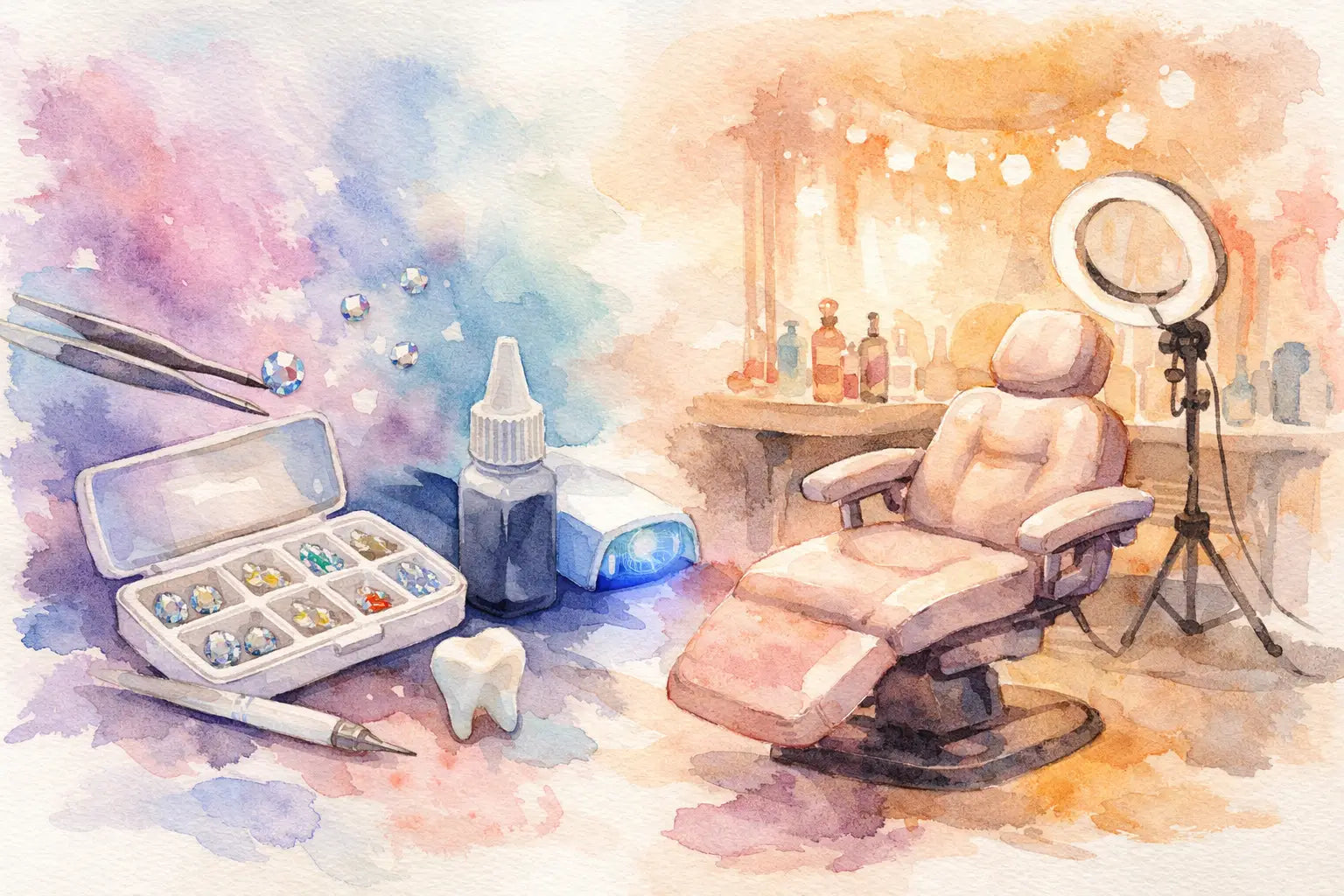
This is why beginner-friendly kits can make such a difference. Having the right tools nearby, from cotton rolls to a jewel picker and UV lamp, keeps the process smoother and less stressful.
How to know your tooth is ready
A tooth is generally ready for gem placement when it is visibly clean, fully dry, and isolated from saliva. After the prep steps, the bonding area should look intentional, not glossy with moisture or crowded with extra product.
If you're second-guessing whether the surface is ready, pause before placing the gem. It is better to take an extra minute drying and checking your setup than to lose the look after a day or two.
You should also feel like you can clearly access the tooth without your lip or cheek constantly getting in the way. If visibility is poor, fix that first. Good prep is part cleanliness, part control.
After prep, move fast but not sloppy
Once the tooth is prepped, you want to place and cure the gem without unnecessary delay. That does not mean panicking. It means having everything set out ahead of time so you are not searching for tools while the tooth gets wet again.
Lay out your gem, applicator, bonding products, and curing light before you start. If you're using a DIY system from SelfGem, the best results come from following the product directions exactly and treating prep like the main event, not the boring part before the sparkle.
Think of it like beauty prep in general. Skin prep changes how makeup wears. Nail prep changes how a manicure lasts. Tooth gem prep works the same way.
Is there ever a time to wait?
Yes. If your mouth is irritated, your gums are sore, your lips are cracked, or the tooth feels sensitive, waiting is the smarter move. A gem should feel like a style choice, not a stress test.
You may also want to hold off if you are unsure whether the tooth has dental work on it or if the enamel is in great shape. When in doubt, get clarity first. The prettiest result is one that feels good and fits your smile safely.
The best tooth gem looks effortless, but the secret is never luck. It's prep, patience, and a clean dry surface that gives your sparkle its moment. Take your time, trust the process, and let the shine hit right.